Reliable Septic Tank Pumpers for Efficient Waste Management
Essential Septic Tank Pumping Guide

Septic tank pumping removes accumulated sludge and scum to prevent backups, costly repairs, and environmental harm. This guide covers what pumping does, recommended intervals, typical costs, and practical maintenance tips so homeowners can protect system performance and longevity.
Key Takeaways
- Septic tank pumping is crucial for maintaining an efficient wastewater management system.
- Regular septic tank pumping prevents system failure and environmental contamination.
- Septic tanks consist of a tank, inlet and outlet pipes, and a drain field.
- Neglecting pumping can lead to sewage leaks and health risks.
- Pumping frequency depends on tank size, household size, and local regulations.
- Typical pumping costs range from $250 to $500, varying by service and location.
- Choose licensed and experienced professionals for septic pumping services.
- Regular inspections and eco-friendly practices ensure long-term septic system health.
What Is Septic Tank Pumping and Why Is It Essential?
Septic tank pumping is the controlled removal of settled solids and floating scum so the system can treat wastewater effectively. Routine pumping prevents overflows and backups that can damage property, harm health, and contaminate soil and water.
Understanding Septic Tank Components and Their Functions

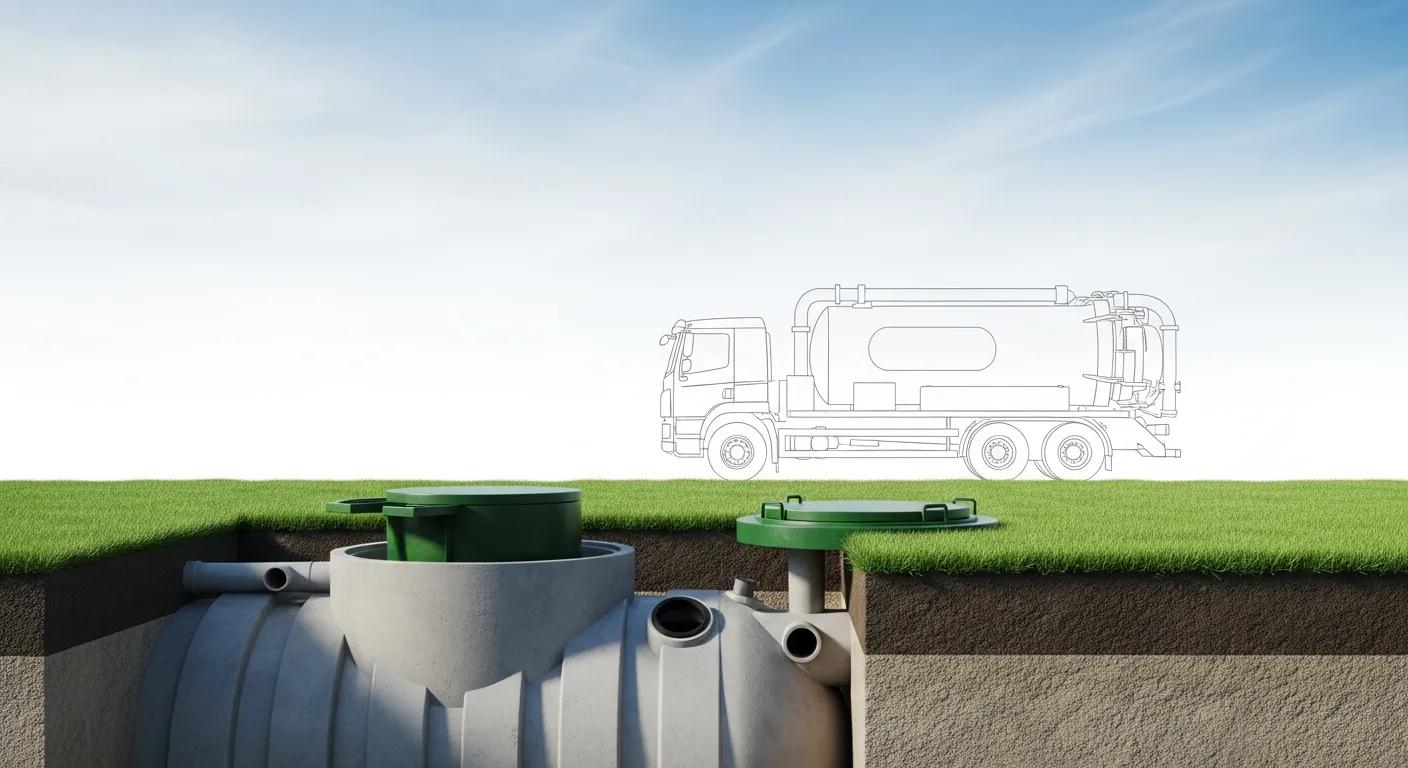
A septic system includes the tank, inlet and outlet pipes, and a drain field. Solids settle into sludge, lighter materials form scum, and liquid effluent flows to the drain field for soil filtration. Knowing these parts helps you spot issues early and schedule maintenance appropriately.
To ensure efficient operation, consider scheduling regular maintenance with a trusted provider.
How Septic Tank Pumping Prevents System Failure and Environmental Issues
If a tank is not pumped, solids can clog the drain field and cause backups or sewage leaks that endanger people, pets, and groundwater. Regular pumping clears excess sludge and keeps treatment and disposal functions working reliably.
Maintaining sanitation protects public health and reduces costly emergency repairs.
Malfunctioning Sanitation Risks & Public Health
Adequate sanitation is fundamental and a prerequisite for safe life and productivity. Malfunctioning sanitation has caused outbreaks worldwide. In areas without sanitation, diarrheal mortality is high and has been shown to decrease by 36% after interventions to improve sanitation.
Drainage systems, an occluded source of sanitation related outbreaks, 2015
When and How Often Should You Schedule Septic Tank Pumping?
Schedule pumping to match tank capacity, household size, and wastewater volume — timing varies, so follow provider recommendations and local rules.
Signs Your Septic Tank Needs Pumping: Key Indicators to Watch
Homeowners should watch for clear signals a tank needs service. These include:
- Slow Drains : If fixtures drain slowly, the tank may be full.
- Unpleasant Odors : Persistent smells near the tank or drain field indicate trouble.
- Pooling Water : Wet spots or standing water near the drain field can signal a backup.
- Backups : Sewage in the home requires immediate attention and pumping.
Early response to these signs reduces the risk of major failures and expensive repairs.
Recommended Pumping Frequency Based on Usage and Local Regulations
Many systems need pumping every 3 to 5 years; heavier use or larger households may require more frequent service. Confirm schedules with local septic providers and follow municipal guidelines.
What Are the Typical Costs and Factors Affecting Septic Tank Pumping Services?
Pumping costs vary by tank size, distance, site access, and the provider’s services. Budget for inspection and possible additional repairs.
| Service Type | Cost | Factors Affecting Price |
|---|---|---|
| Standard Pumping | $250 - $500 | Tank size, location, service provider |
| Emergency Pumping | $500 - $1,000 | Time of service, accessibility |
| Routine Maintenance | $150 - $300 | Frequency, additional services |
RM Plumbing and Septic Services offers local plumbing and septic tank pumping, including sludge removal and emergency support to keep systems operational.
Breaking Down Septic Pumping Cost Components and Pricing Models
Typical costs cover the technician’s time, travel, and any inspection or repair work. Ask for an itemized quote so you know what is included and can avoid surprises.
Distinguishing routine maintenance from non-routine expenses helps with accurate budgeting and planning.
Septic Tank Management: Sludge Collection & O&M Costs
Non-routine costs include sludge collection, while routine expenses cover screen and grit chamber cleaning, sludge and scum inspection and measurement, maintenance of treatment unit structures, analytical control (including physical, chemical, and microbiological analysis) of treated effluent and receiving water bodies, as well as the necessary displacements to carry out these activities.
Cost-effectiveness study of septic tank management in rural communities, PS Scalize, 2024
How to Choose Licensed and Reliable Septic Pumping Professionals
Select licensed, experienced technicians with positive reviews. Look for clear licensing, proven experience, and satisfied customers.
- Licensing and Certification : Ensure the company is licensed to operate in your area.
- Experience : Choose a provider with a proven track record in septic services.
- Customer Reviews : Check online reviews and testimonials to gauge customer satisfaction.
Hiring qualified professionals improves service quality and the long-term performance of your septic system.
How to Maintain Your Septic System Beyond Pumping for Long-Term Health?

Pumping is one essential task; regular inspections and careful habits extend system life and prevent failures.
Routine Septic System Inspection and Repair Services Explained
Schedule professional inspections every 1 to 3 years. Technicians check for leaks, clogs, and component wear and recommend repairs when needed.
For more information on routine septic system inspections, contact a qualified service provider.
Eco-Friendly Septic System Maintenance Tips and Compliance Updates
Follow eco-friendly practices such as:
- Limit Water Usage : Reduce water consumption to prevent overloading the system.
- Proper Waste Disposal : Avoid flushing non-biodegradable items or chemicals that can harm the system.
- Use Biodegradable Products : Opt for eco-friendly cleaning products to minimize chemical impact on the septic system.
These practices support efficiency and reduce environmental impact while extending system life.
Frequently Asked Questions
What are the environmental impacts of a failing septic system?
A failing system can release pathogens and excess nutrients into groundwater and surface water, harming ecosystems and drinking-water sources. Regular maintenance and timely pumping reduce contamination risks and protect public health.
Can I perform septic tank pumping myself?
DIY pumping is not recommended. Proper pumping requires specialized equipment and training; improper handling can damage the system, create health hazards, and violate local regulations. Hire licensed technicians for safety and compliance.
What should I do if I notice signs of septic tank failure?
If you see slow drains, foul odors, or sewage backups, stop nonessential water use and contact a licensed septic provider immediately for inspection and pumping. Prompt action prevents larger repairs and higher costs.
How can I extend the lifespan of my septic system?
Extend system life by scheduling routine inspections, conserving water, avoiding flushing non-biodegradable items and harsh chemicals, and using biodegradable products. These habits reduce strain and maintain biological treatment.
What are the common misconceptions about septic tank maintenance?
Common myths include thinking pumping isn’t needed unless problems appear and assuming all household products are safe. Regular pumping and careful product choices protect the bacteria that break down waste and prevent failures.
Are there any specific regulations for septic tank maintenance in my area?
Regulations vary by jurisdiction. Many areas set guidelines for pumping frequency, inspections, and installations. Consult local health departments or septic providers to ensure compliance and proper operation.
Conclusion
Regular septic tank pumping, combined with inspections and sensible household practices, preserves system health, reduces repair costs, and minimizes environmental risk. Arrange service with a trusted, licensed professional and use available resources to keep your system working reliably.